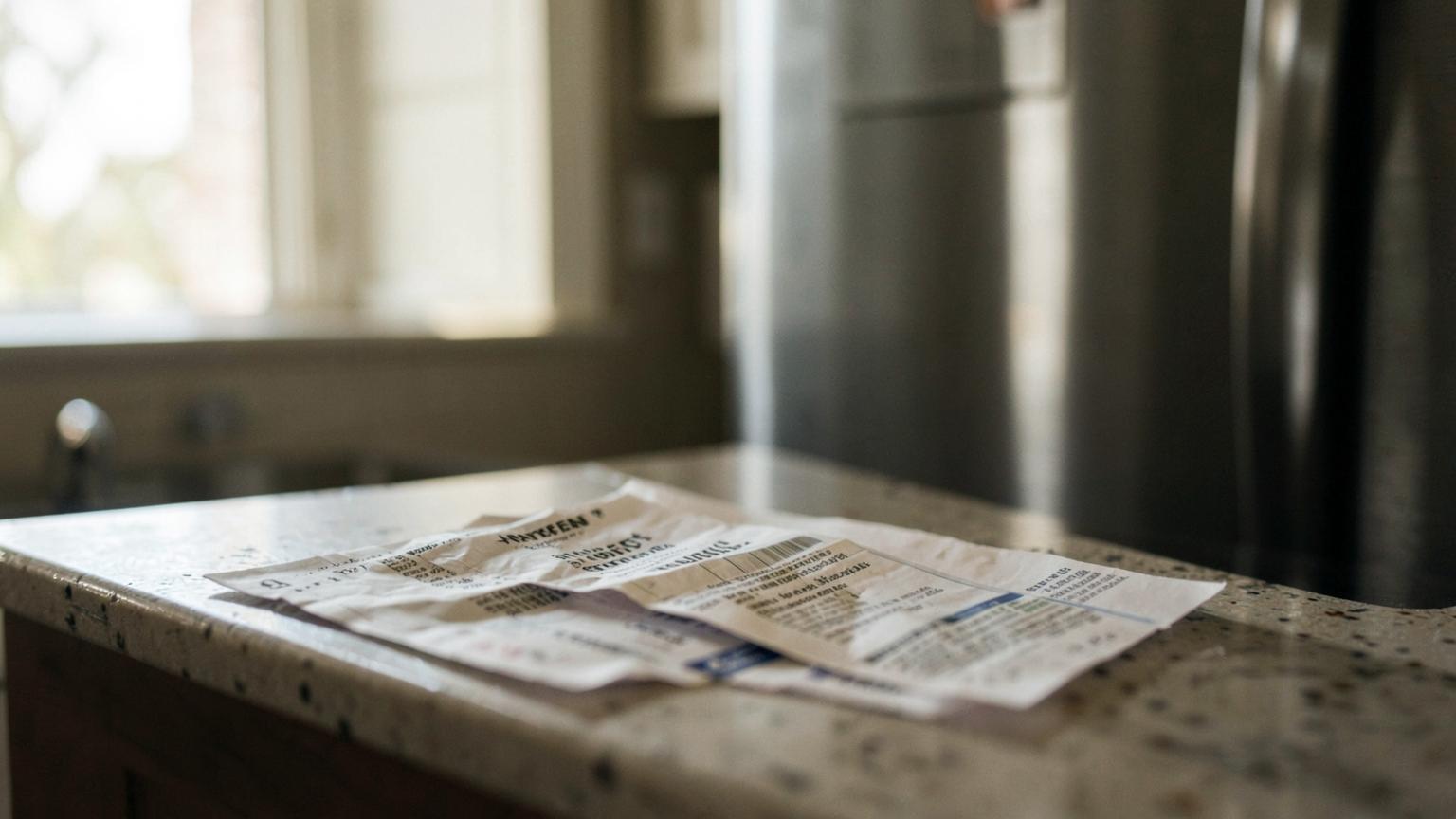
You probably have a warranty on something that just broke
Manufacturers don't remind you. Retailers don't remind you. Most expired coverage isn't used up — it's simply forgotten, and it costs the average household hundreds a year.
The dishwasher stops draining. You look it up, wince at the repair quote, and pay it. Fourteen months later, cleaning out a drawer, you find the receipt: five-year parts warranty. The repair was covered.
This happens constantly, and it's not carelessness. It's design.
Nobody in the transaction is incentivized to remind you
Coverage information arrives at the exact worst moment — the day the appliance is delivered, when you care about getting it working, not about paperwork three years out. Then it goes into a drawer, an inbox, or the trash. The manufacturer will honor the warranty if you ask. They will not call to remind you it exists.
Add up a normal house: furnace, water heater, roof, dishwasher, washer, dryer, refrigerator, HVAC, garage door, windows, the deck stain with a ten-year guarantee, the contractor's two-year workmanship warranty. Twelve to twenty active coverages at any moment, on a dozen different clocks, with the proof scattered across paper, email, and photos on your phone.
You don't lose warranties. You lose track of them.
The three things that make a claim work
When you actually file, you need exactly three things — and they're almost never in the same place:
- Proof of purchase — the receipt or invoice with the date.
- The model and serial number — usually on a sticker inside a door or behind the unit.
- The coverage terms — how long, what's included, and who to call.
Miss any one and the claim stalls. That's the whole reason people give up and pay out of pocket.
Capture once, at the moment of purchase
The habit that fixes this takes about ninety seconds per appliance, and it's the same three photos every time: the receipt, the model-and-serial plate, and the warranty page of the manual. Do it the day it's installed, while everything is still on the counter.
AskMyHome exists to make that ninety seconds actually stick. Snap the photos or forward the confirmation email to your home's private address, and we read them: brand, model, serial, purchase date, coverage window, vendor. You don't file anything or invent folder names.
Then two things happen. You can ask later in plain English — “is the water heater still under warranty?” — and get an answer with the receipt attached. And when a coverage window or service date approaches, we count you down: an email at 30 days, 7 days, 1 day, and the morning of, plus a notification in the app.
What that's worth in a normal year
- One covered appliance repair you'd otherwise have paid for: $150–$600.
- A roof or siding claim filed inside the workmanship window instead of a month after it closed: thousands.
- Fifteen minutes not spent digging through a filing cabinet, every single time something breaks.
- The service records that make the house easier to sell, already assembled.
Nobody buys software to organize receipts. People buy back the afternoon they'd have spent looking, and the money they'd have spent for no reason. Start with the last three things you bought for the house — that's the whole first session.
Upload, ask, and get counted down before things expire. One home, everything included.
Keep reading
A neighbor sees water under the garage door. The difference between a wet floor and a ruined house is whether someone can find the shutoff now.
Registration, trailer title, insurance, winterization receipt — boating paperwork has a habit of being wherever the boat isn't.